meteor shower · · 3 min read
Orionid Meteor Shower 2026: When to Watch and Where to Stay in the UK
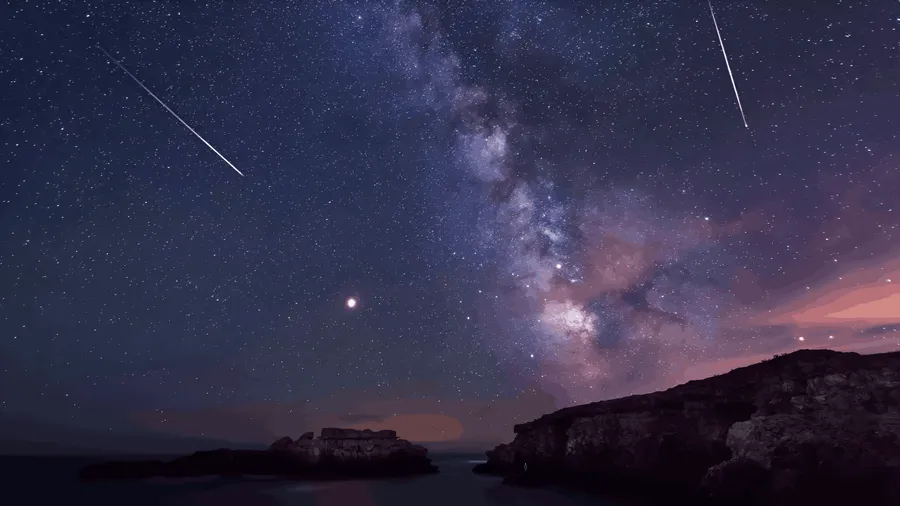
The Orionids peak on the night of 21–22 October. Here is when to watch from the UK, how the Moon affects this year’s show, and nine dark-sky stays to watch from.

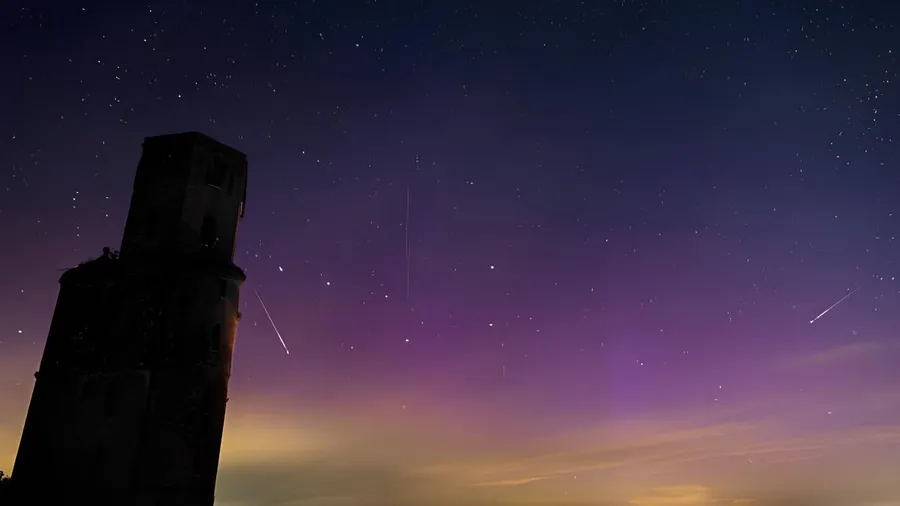
The Orionid meteor shower peaks on the night of 21–22 October 2026, and the darker your sky, the more of it you’ll see. This guide rounds up five stays across the UK where you can step outside before dawn and watch from your own doorstep, from a woodland tower in Northumberland to a hot tub in the Brecon Beacons.
For the background on the shower itself, from Halley’s Comet to how to spot an Orionid, see our Orionid meteor shower guide.
The Orionids in 2026: what you need to know
- Peak: the night of 21–22 October, with a broad peak over several nights either side
- Best time: from moonset in the early hours (around 2–3am) until dawn
- Rate: around 10–20 meteors an hour under a dark sky
This year a bright waxing gibbous Moon is up for the first part of the night, so the real show starts once it sets. That makes the Orionids a pre-dawn shower in 2026: get some sleep in the evening, set an alarm, and head outside in the small hours.
Because the peak is broad, a clear night on the 20th or 23rd is nearly as good as the 21st. Booking two or three nights gives you the best chance of clear skies.
Why where you stay matters
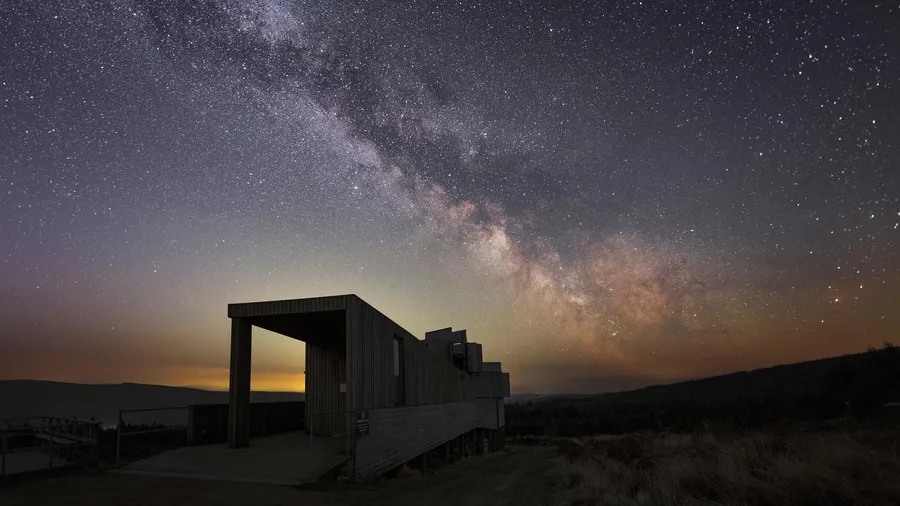
The Orionids are a modest shower, and many of their meteors are faint. Under a town sky you might count a handful in an hour. Under a rural sky, rated Bortle 2 or 3, you’ll catch far more of the fainter streaks, with the Milky Way and the winter constellations rising behind them.
Just as important for a pre-dawn shower: you want to be able to walk outside at 3am without getting in the car. Every stay below has dark sky on the doorstep, and each is rated on the Bortle scale so you know exactly how dark it gets.
Five dark-sky stays for the Orionids
1. Raven Tower — Northumberland
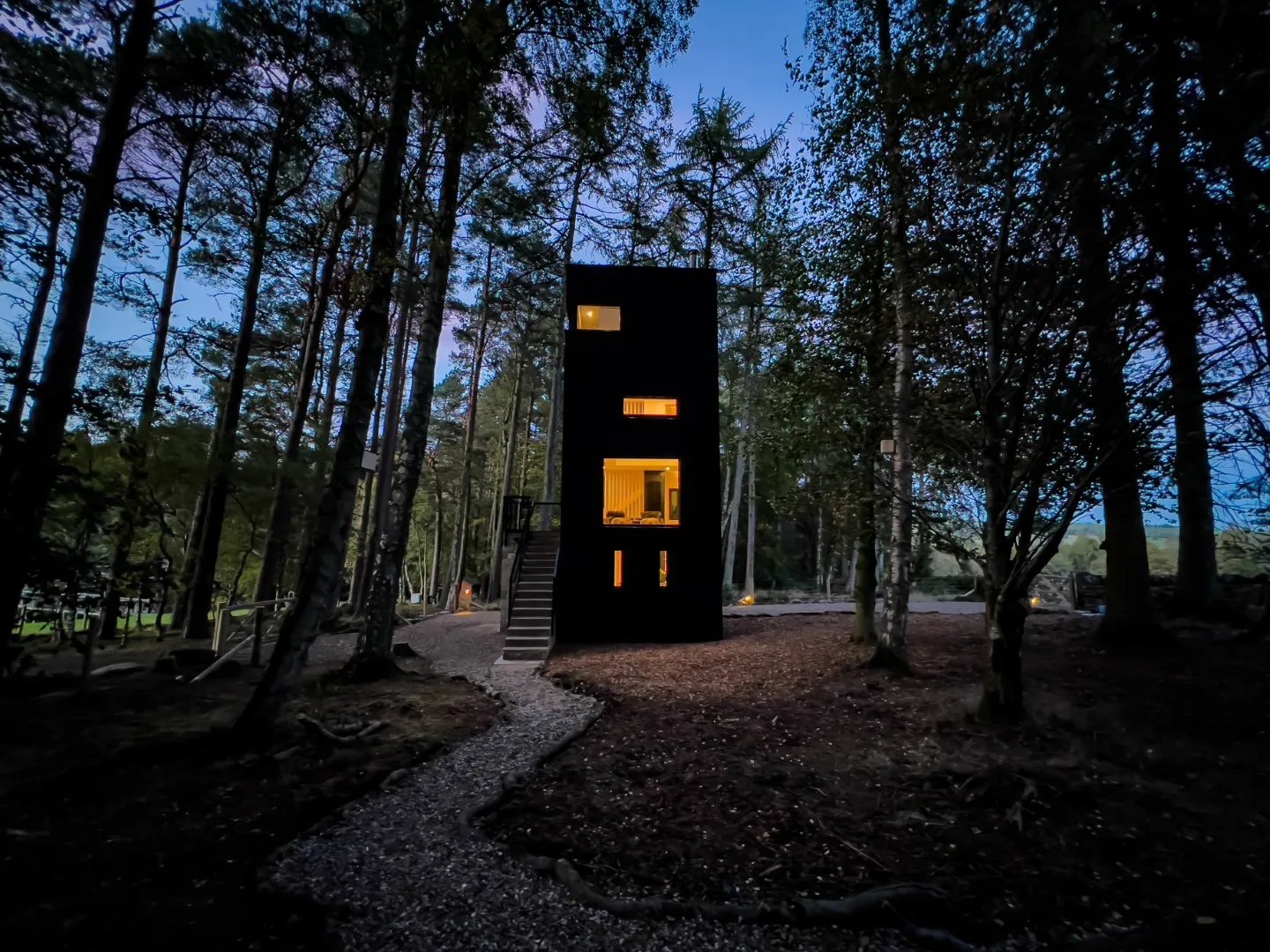
Perfect for: Couples after a one-of-a-kind stay, with a private battlement at the top of the tower for watching meteors under a Bortle 2 sky
2. The Den — Tomintoul & Glenlivet
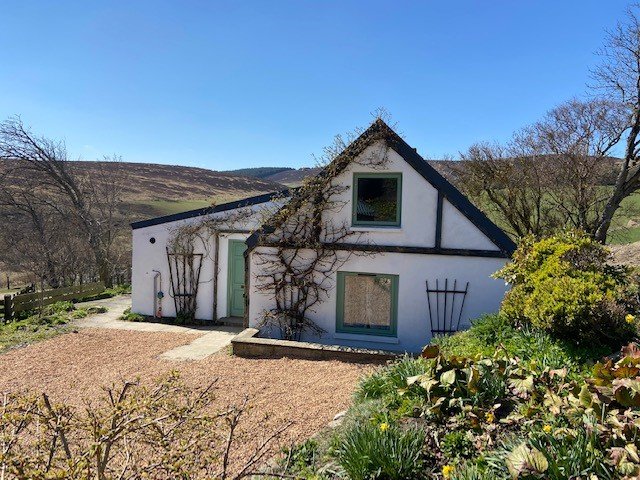
Perfect for: Families or friends (sleeps 4) who want long, dark Highland nights in the Cairngorms, with an outside chance of the northern lights
3. Seren Bach — Brecon Beacons
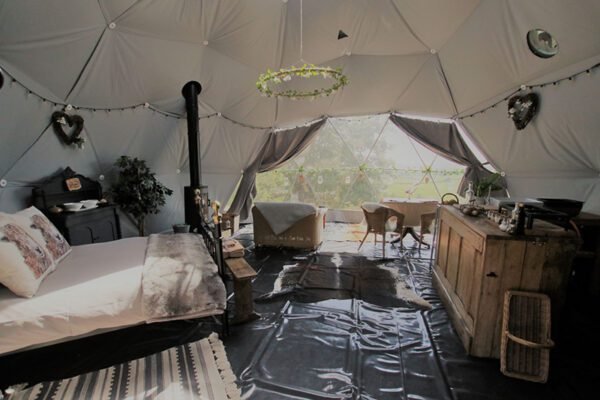
Perfect for: Couples who want to watch meteors from a hot tub, then carry on stargazing through the sky window from bed
4. The Bothy at Heale Farm — Exmoor
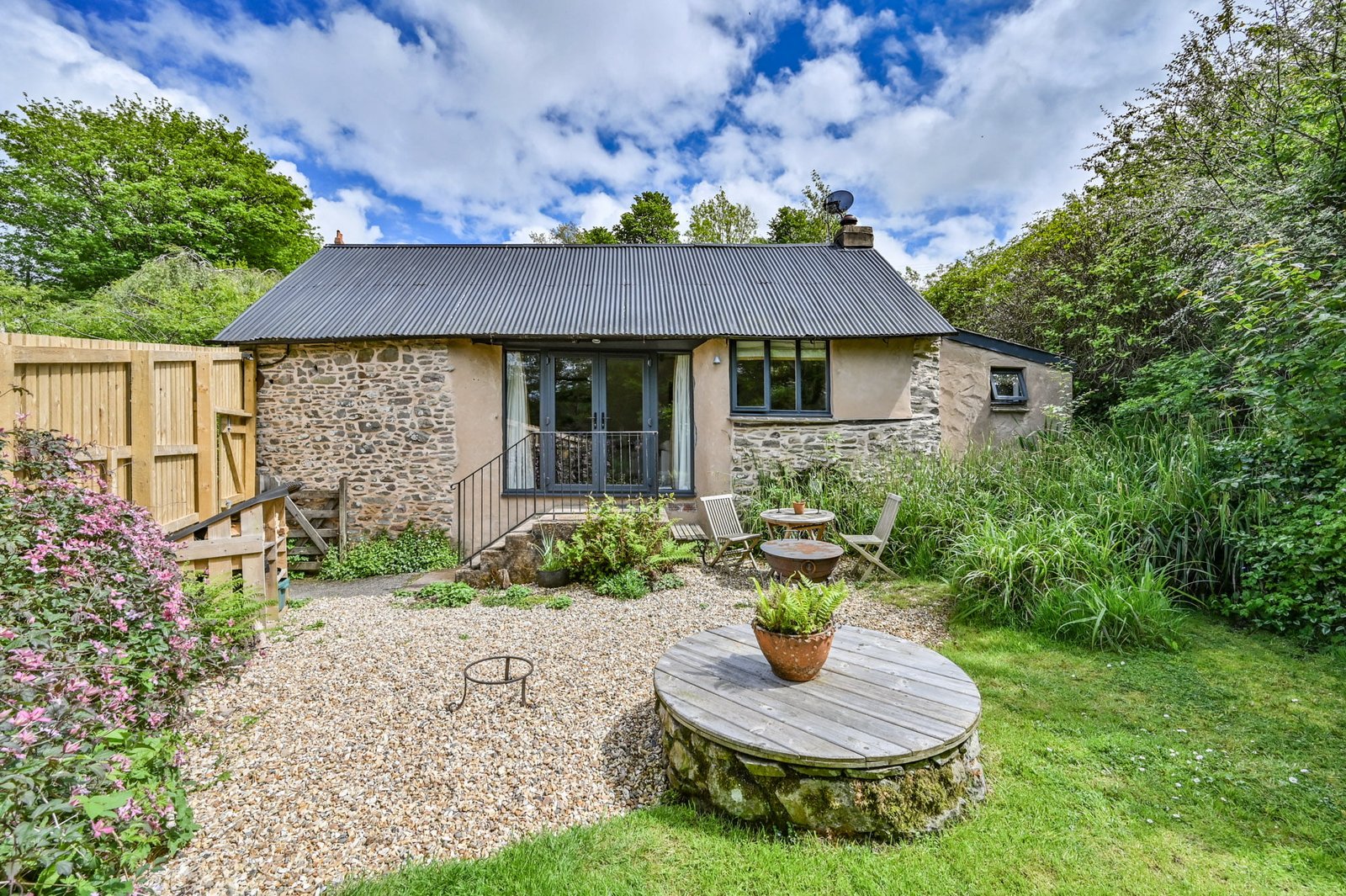
Perfect for: Couples looking for a simple, cosy base under Exmoor's dark skies, one of the darkest places in southern England
5. Lady Betty — Cranborne Chase
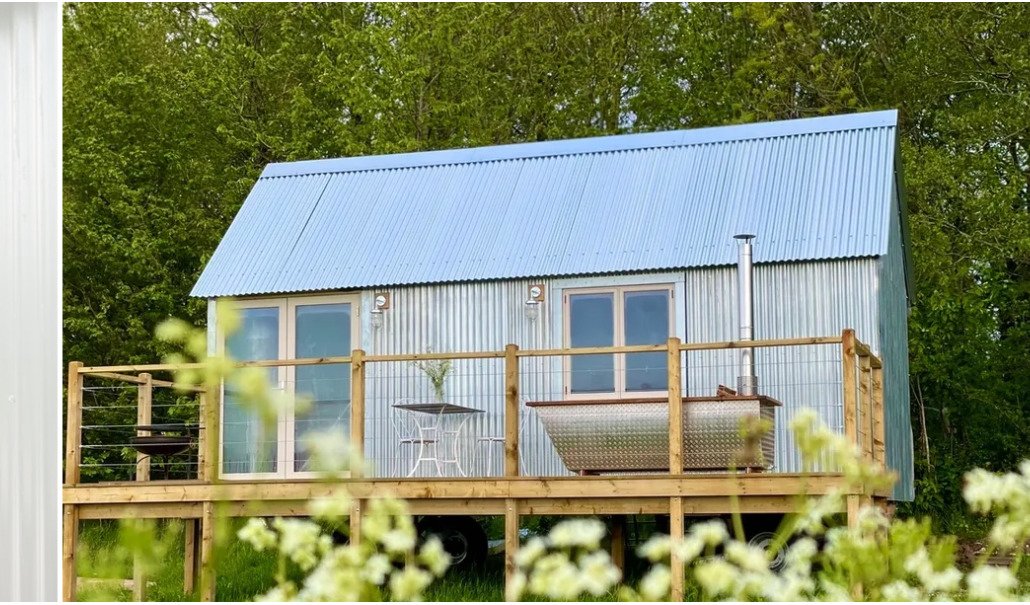
Perfect for: Couples within easy reach of London who want a hot tub and a wood burner under Cranborne Chase's protected skies
Making the most of your stay
- Book two or three nights. October weather is unpredictable, and the broad peak gives you several chances.
- Check the cloud forecast. Every stay page on Starnook shows a seven-night cloud outlook, so you can see which night looks clearest.
- Check moonset. Each stay page also shows that night’s moonrise and moonset, under Moon conditions.
- Dress for winter. Pre-dawn temperatures in late October can drop close to freezing, especially in the hills. Bring a hat, gloves and a blanket.
- Lie back. A reclining chair or mat makes an hour of looking up far more comfortable. Give your eyes 20 minutes to adjust, and keep your phone screen off.
More meteor showers this year
If the weather doesn’t play along, the Taurids follow in early November and the Leonids in mid-November. The big one is December’s Geminids, the best meteor shower of the year. See our guide to where to stay for the Geminids in Northumberland.
For more on picking the right night, read our guide to the best time for stargazing in the UK, or browse all our dark-sky stays.