
Dark Sky Park
Bannau Brycheiniog (Brecon Beacons) National Dark Sky Reserve
- Darkness
- Bortle 2–3
- Designation
- Dark Sky Reserve — DarkSky, 2013
- Size
- ~1,340 km²
- Location
- South Wales
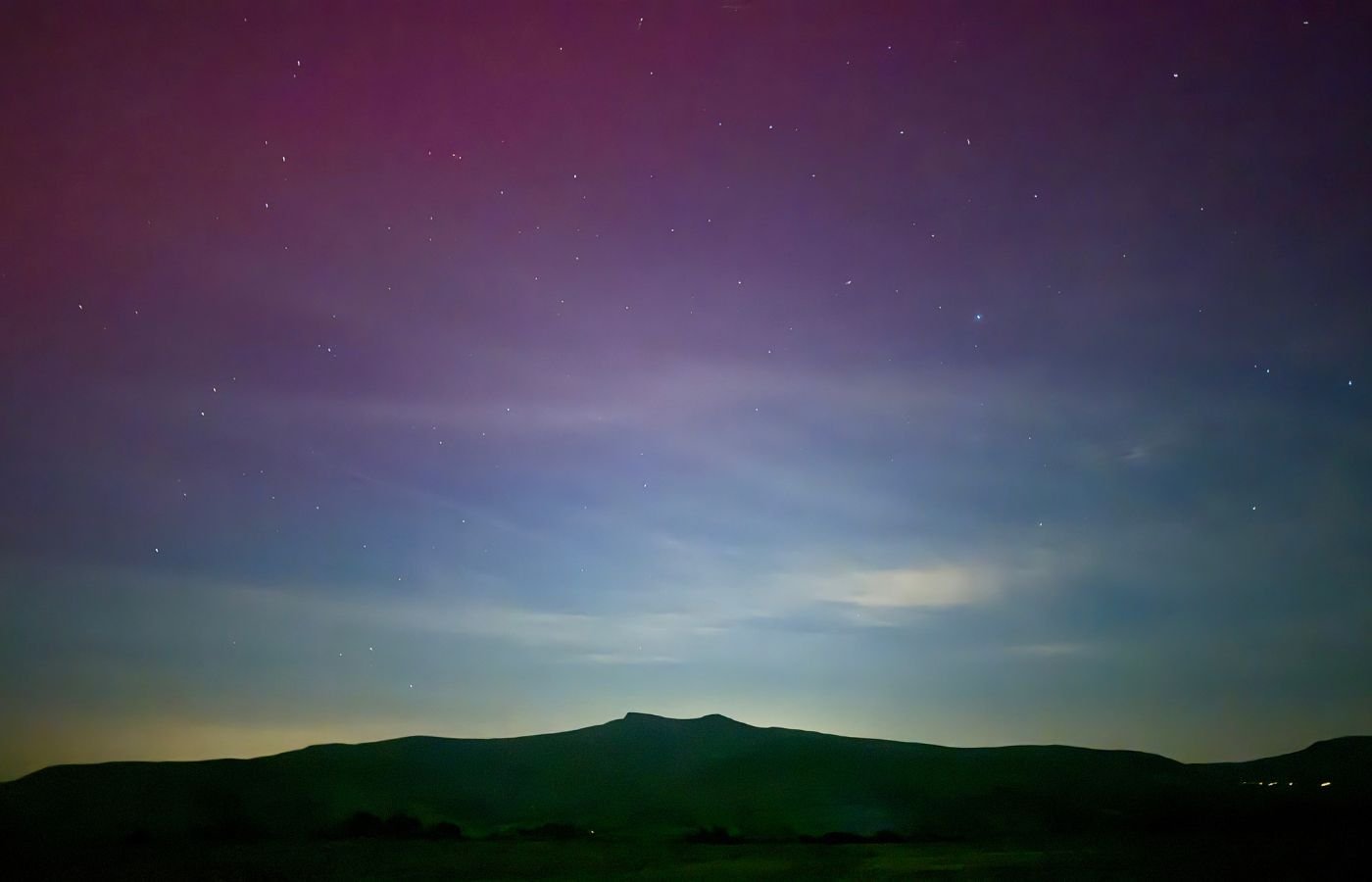
Bannau Brycheiniog, still widely known as the Brecon Beacons, covers around 520 square miles of mountain, moorland and valley in South Wales. In 2013 it became the first place in Wales to be granted International Dark Sky Reserve status, and only the fifth destination in the world to earn it, recognising the outstanding quality of its night skies and the work done locally to cut light pollution.
What makes it special is the combination of dark and near. A Dark Sky Reserve protects a genuinely dark core while managing light across a wider surrounding zone, and here the high ground shields the heart of the park from the glow of the South Wales valleys. On a clear, moonless night you can see the Milky Way, major constellations, bright nebulae and, if you time it well, meteor showers, all with the naked eye. Yet the southern edge of the park sits less than an hour from Cardiff and Swansea, which makes this some of the most accessible dark sky in Britain.
The reserve is set up for visitors. Several spots offer parking and open views, the National Park Visitor Centre near Libanus runs guided events through the year, and stargazing and astrophotography tours are easy to find locally.
Where to stargaze in the Brecon Beacons
The park authority publishes an official list of the best places to look up. These are chosen for dark skies, open horizons and easy access.
- Usk Reservoir: one of the darkest and most popular sites, with ample parking near Trecastle and a dam wall to walk out along. The surrounding hills shield it from the valleys to the south.
- Llanthony Priory: atmospheric and beautiful, where you can look up at the sky above Hatterrall Hill framed by the ruins of a 13th century priory. A favourite with photographers.
- National Park Visitor Centre, near Libanus: the most accessible option, with parking and open common land to wander onto, and the base for many of the reserve’s guided events.
- Llangorse Lake: easily reached with plenty of parking, and a fine spot for the Milky Way and deep sky objects with the naked eye.
- Crai Reservoir: extremely dark and deeply peaceful, best suited to more experienced skywatchers willing to seek out the accessible viewpoints.
The best time to go stargazing in the Brecon Beacons
The prime stargazing season runs from autumn through to spring, when the nights are longest and darkest. The clearest views come on moonless nights well away from the full moon, so a new moon is ideal.
Welsh mountain weather is the tax you pay for those skies, so the golden rule is: go when the forecast says go, rather than planning far ahead. Cloud cover and the moon phase matter more than anything else.
Two dates worth planning around are the Perseid meteor shower in mid-August and the Geminids in mid-December, the most reliable display of the year. The reserve also holds an annual Dark Sky Festival, a good way in for first-timers.
Can you see the Northern Lights in the Brecon Beacons?
Occasionally. This far south the aurora is far less frequent than in Scotland or Northumberland, but on the strongest geomagnetically active nights it can appear low on the northern horizon. The Milky Way, not the aurora, is the real headline act here. Sign up to aurora alerts if you want the chance, choose a spot with a clear view to the north, and give your eyes time to adjust.
What to bring stargazing in the Brecon Beacons
Warm layers, far more than you think. You will be standing still in the cold, often for hours.
A red-light torch to protect your night vision (a phone torch on a red setting works).
No telescope needed to start. The naked eye and a pair of binoculars reveal a huge amount here.
Check the forecast. Cloud cover and the moon phase matter more than anything else.
Give your eyes 20 minutes to fully adapt to the dark before you judge the sky.
Stargazing events and tours in the Brecon Beacons
For a beginner, a guided session is the easiest and most rewarding way in. The National Park Visitor Centre near Libanus hosts regular stargazing events through the year, and local operators run astronomy sessions, astrophotography workshops and guided night walks. Many dark sky friendly places to stay within the park offer telescope loan or guided stargazing as part of the visit, so it is worth choosing accommodation away from the market towns and asking about its dark sky credentials.