
Dark Sky Park
South Downs (Moore's Reserve) Dark Sky Reserve
- Darkness
- Bortle 4–5
- Designation
- Dark Sky Reserve — DarkSky, 2016
- Size
- 1,624 km²
- Location
- Sussex & Hampshire
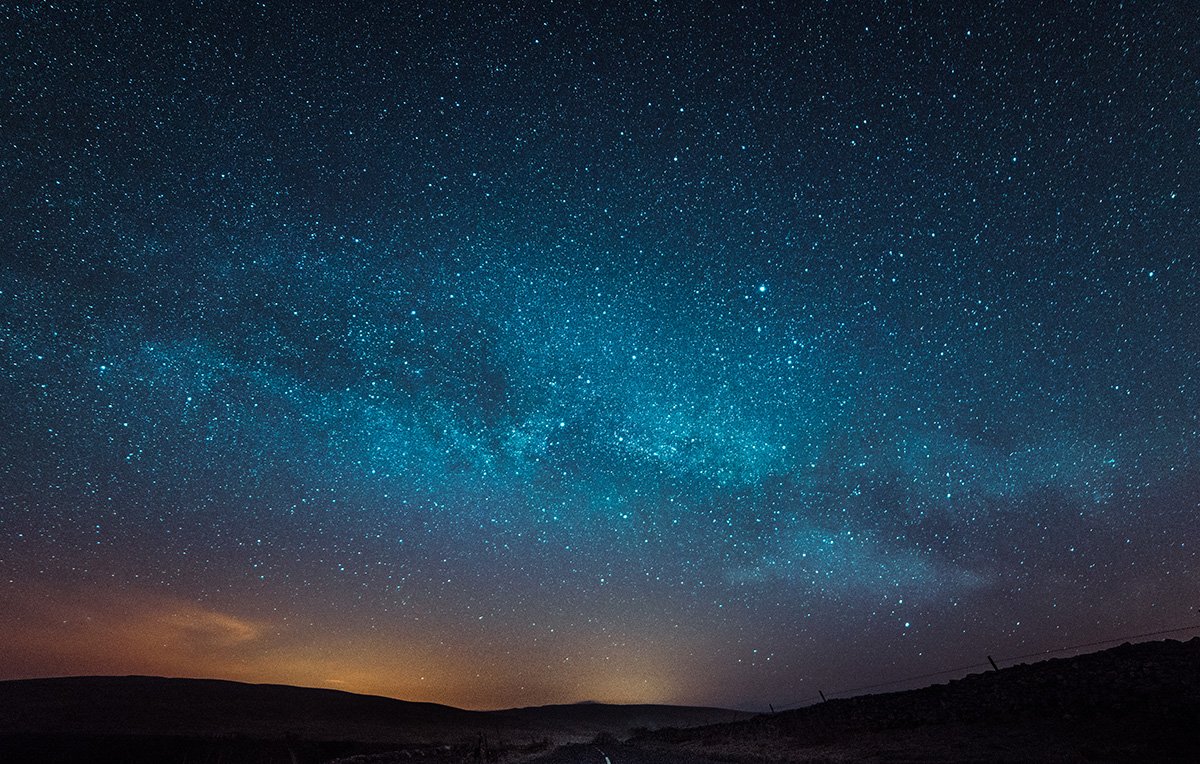
The South Downs National Park stretches 87 miles across Hampshire and Sussex, from Winchester in the west to Beachy Head in the east. In May 2016 it became an International Dark Sky Reserve, known as Moore’s Reserve, and it holds a distinction none of the UK’s other dark sky places can claim: with more than two million people living within ten kilometres, and over ten million within a two-hour train journey, it is the most accessible dark sky reserve in the country.
That accessibility is exactly what makes it remarkable. It is genuinely surprising that skies this dark survive between London and the south coast, in one of the most populated corners of England. The park works hard to hold back the creeping glow of the capital’s outer suburbs, and the result is authentically dark countryside within easy reach of millions who would otherwise never see it. On a clear, moonless night, away from the towns, you can see the Milky Way and thousands of stars with the naked eye.
The reserve is named Moore’s Reserve in honour of Sir Patrick Moore, the astronomer and long-time Sussex resident who did so much to bring astronomy to the British public. Its stargazing sites sit on the high chalk of the Downs, where the ground rises clear of the surrounding towns and opens up wide, dark horizons.
Where to stargaze in the South Downs
Several of the best spots are designated Dark Sky Discovery Sites, chosen for dark skies, open horizons and easy access. A few of the best:
- Devil’s Dyke: an official Dark Sky Discovery Site north of Brighton, with huge, sweeping views across the Downs and easy access.
- Bignor Hill: a remote, high spot between Arundel and Petworth with 360-degree views and some of the darkest skies in the park. The Milky Way is easily seen here on a clear night.
- Ditchling Beacon: the highest point on the chalk in East Sussex, an official Dark Sky Discovery Site with panoramic views in every direction.
- Black Down: the highest point in the whole park, where the National Trust has laid out a circular stargazing walk. Take a torch to find your way.
The best time to go stargazing in the South Downs
The prime stargazing season runs from autumn through to spring, when the nights are longest and darkest. The clearest views come on moonless nights well away from the full moon, so aim for a new moon.
Weather on the Downs is the tax you pay for those skies, so the golden rule is: go when the forecast says go, rather than planning far ahead. Cloud cover and the moon phase matter more than anything else. The higher chalk viewpoints often sit clear of low haze on the right night.
Two dates worth planning around are the Perseid meteor shower in mid-August and the Geminids in mid-December, the most reliable display of the year. The park’s Dark Skies Festival, held over a fortnight each February, is one of the most popular in the country, with star parties, talks and family events, and a good way in for first-timers. Book accommodation early, as festival dates fill up fast.
Can you see the Northern Lights in the South Downs?
Rarely. This far south the aurora is uncommon, appearing only on the strongest geomagnetically active nights, low on the northern horizon, where the glow of London can interfere. The Milky Way, not the aurora, is the real draw here. Sign up to aurora alerts if you want the chance, choose a high, north-facing viewpoint away from town lights, and give your eyes time to adjust.
What to bring stargazing in the South Downs
Warm layers, far more than you think. You will be standing still in the cold, often for hours, and the high Downs can be exposed and windy.
A red-light torch to protect your night vision (a phone torch on a red setting works). It is also useful for finding your way on the hilltop walks.
No telescope needed to start. The naked eye and a pair of binoculars reveal a huge amount here.
Check the forecast. Cloud cover and the moon phase matter more than anything else.
Give your eyes 20 minutes to fully adapt to the dark before you judge the sky.
Stargazing events and tours in the South Downs
For a beginner, a guided session is the easiest and most rewarding way in. The park’s annual Dark Skies Festival each February is the highlight, one of the largest in the country, and local astronomy societies run public stargazing evenings and star parties throughout the year, with events at places like Herstmonceux Observatory Science Centre nearby. Many dark sky friendly places to stay across the park make a night under the stars part of the visit, so it is worth choosing accommodation up on or near the Downs and asking about its dark sky credentials.