
Dark Sky Park
Tomintoul & Glenlivet – Cairngorms Dark Sky Park
- Darkness
- Bortle 1–2
- Designation
- Gold Tier Park — DarkSky, Nov 2018
- Size
- 244 km²
- Location
- Cairngorms, Scotland
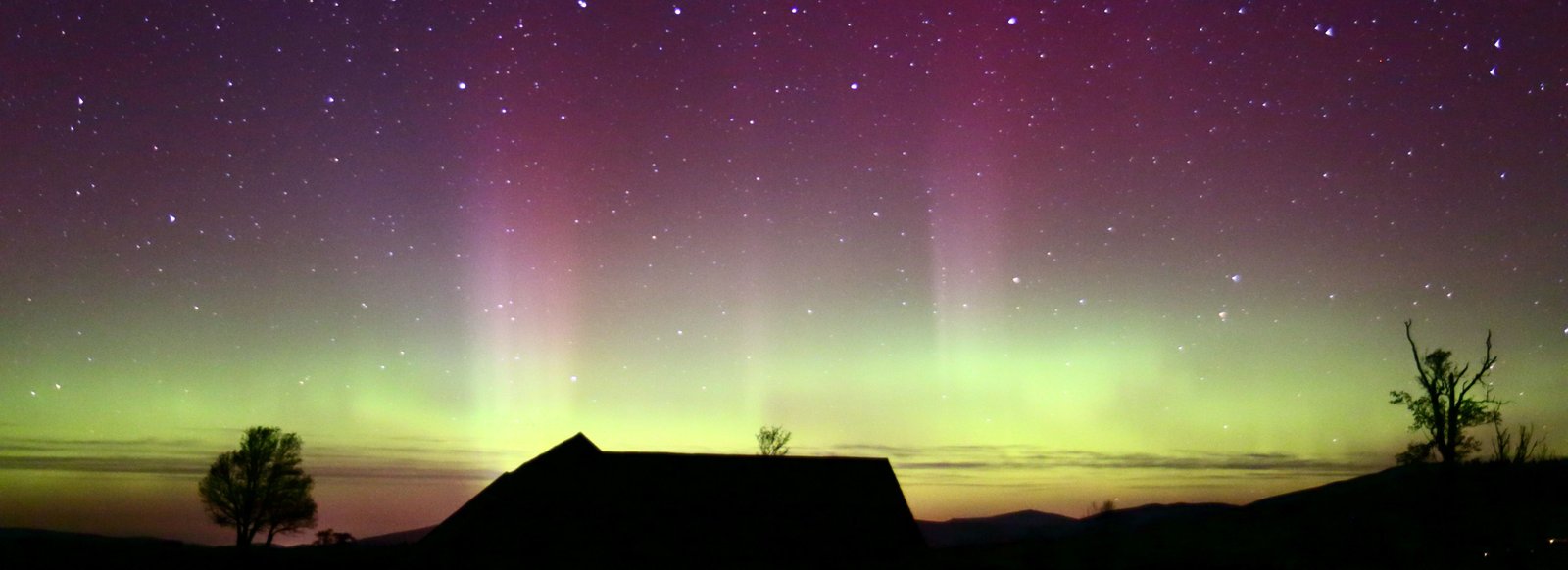
The Tomintoul and Glenlivet area, in the north of the Cairngorms National Park, is the most northerly International Dark Sky Park in the world. It became Scotland’s second International Dark Sky Park in November 2018, and was awarded Gold Tier status, the highest there is, for the quality of its skies. When it granted the designation, DarkSky International called this the darkest Dark Sky Park in the UK.
What makes it special is its position. The area is remote and thinly populated, and it is naturally shielded from light pollution by the high hills that surround it, so the darkness here is exceptional even by Highland standards. On a clear, moonless night the sky fills with thousands of stars and the Milky Way stretches overhead. And because this is the most northerly park in the world, your chances of catching the aurora are better here than almost anywhere else in the country.
The park is easy to reach for somewhere so dark. Three Dark Sky Discovery Sites give you car parking, interpretation panels and open views, and the village of Tomintoul, with its Discovery Centre, makes a natural base. Grantown-on-Spey and its visitor centre are around 25 minutes away.
Where to stargaze in Tomintoul and Glenlivet
The three official Dark Sky Discovery Sites are chosen for low light pollution, open sightlines and easy access. Each has a car park and an interpretation board to help you find your way around the sky.
Tomintoul Field of Hope: the most accessible of the three, a short 10 minute walk from the village. The walk out is useful in itself, giving your eyes time to adjust to the dark before you arrive.
The Carrachs, in the Braes of Glenlivet: a quiet, open site deep in the glen, with wide, uninterrupted skies and a real sense of remoteness.
Blairfindy Moor: a hillside site with sweeping views, a favourite with astrophotographers for the unfiltered darkness overhead.
Anywhere in the area rewards a look up, but these three are the surest starting points.
The best time to go stargazing in the Cairngorms
Because this is the most northerly Dark Sky Park in the world, summer nights never get properly dark, so the season runs from roughly October to March, when the long nights and dark skies are at their best. The clearest views come on moonless nights well away from the full moon.
Highland weather is the tax you pay for those skies, so the golden rule is: go when the forecast says go, rather than planning far ahead. The crisp, cold nights of winter bring the sharpest skies, often over snow, and the best chance of the Northern Lights.
Two dates worth planning around are the Perseid meteor shower in mid-August and the Geminids in mid-December, the most reliable display of the year.
Can you see the Northern Lights in Tomintoul and Glenlivet?
Yes, and better than almost anywhere else in the UK. As the most northerly Dark Sky Park in the world, this is one of the country’s strongest spots for the aurora, which appears low on the northern horizon on geomagnetically active nights. Sign up to aurora alerts, choose a Discovery Site with a clear view to the north, and give your eyes time to adjust.
What to bring stargazing in the Cairngorms
Warm layers, far more than you think. You will be standing still in the cold, often over snow, for hours.
A red-light torch to protect your night vision (a phone torch on a red setting works).
No telescope needed to start. The naked eye and a pair of binoculars reveal a huge amount here.
Check the forecast. Cloud cover and the moon phase matter more than anything else.
Give your eyes 20 minutes to fully adapt to the dark before you judge the sky.
Stargazing events in the Cairngorms Dark Sky Park
For a beginner, a guided session is the easiest and most rewarding way in. The Cairngorms Astronomy Group runs dark sky events through the year, open to all, and several local places to stay offer telescopes, guides and stargazing tours. Start with an afternoon at the Discovery Centre in Tomintoul to get your bearings, then head out to one of the Discovery Sites after dark.